Shaped by exceptional experiences and trusted relationships built over four generations of family ownership.
MCAA/CNA Safety Excellence Award winner with an EMR of 0.57 — fostering workplaces where every person goes home safe.
103+ years of delivering mission-critical mechanical systems for the institutions that matter most.
Industries
Mechanical Construction for Active Academic Campuses
Featured Client Projects
Introduction
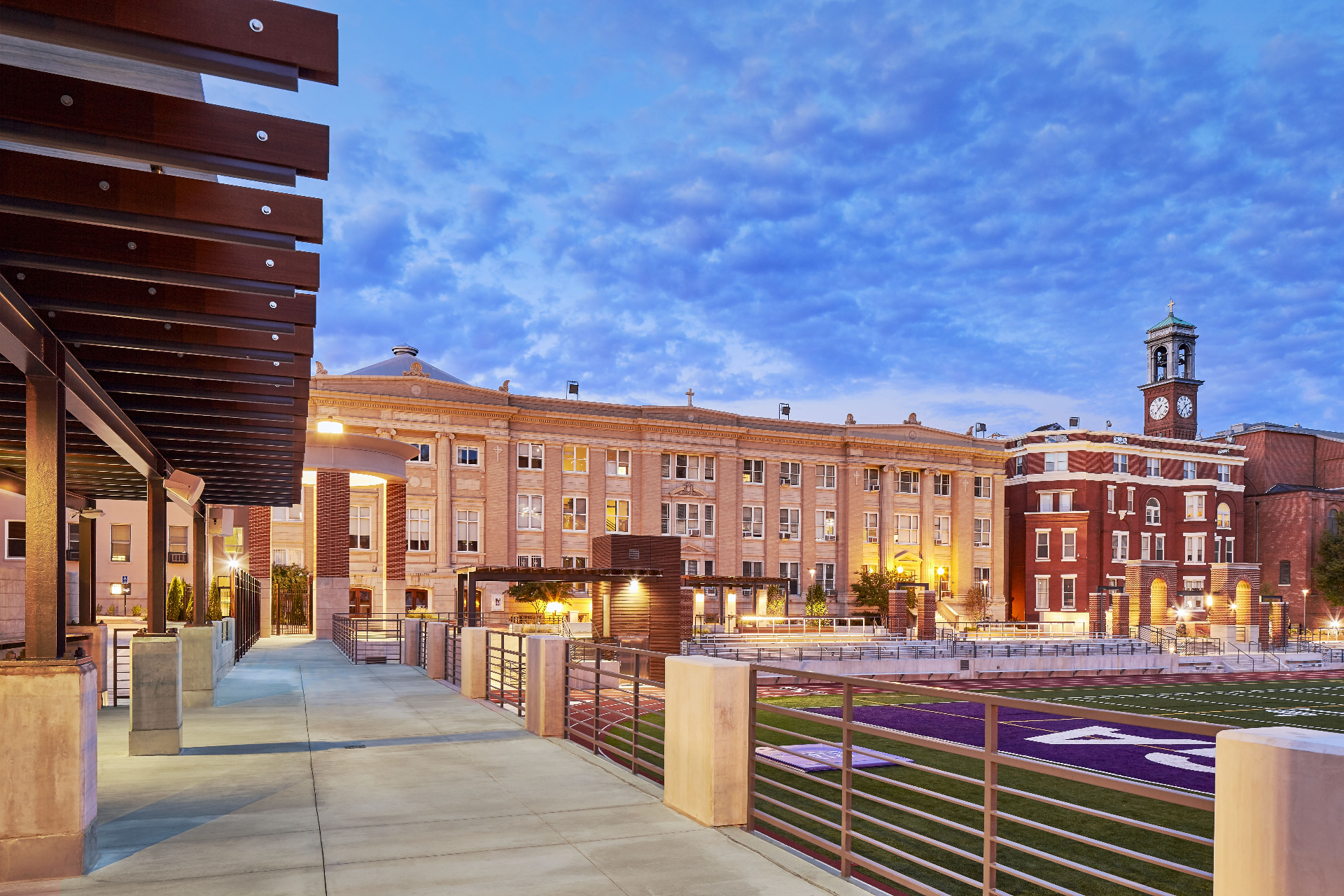
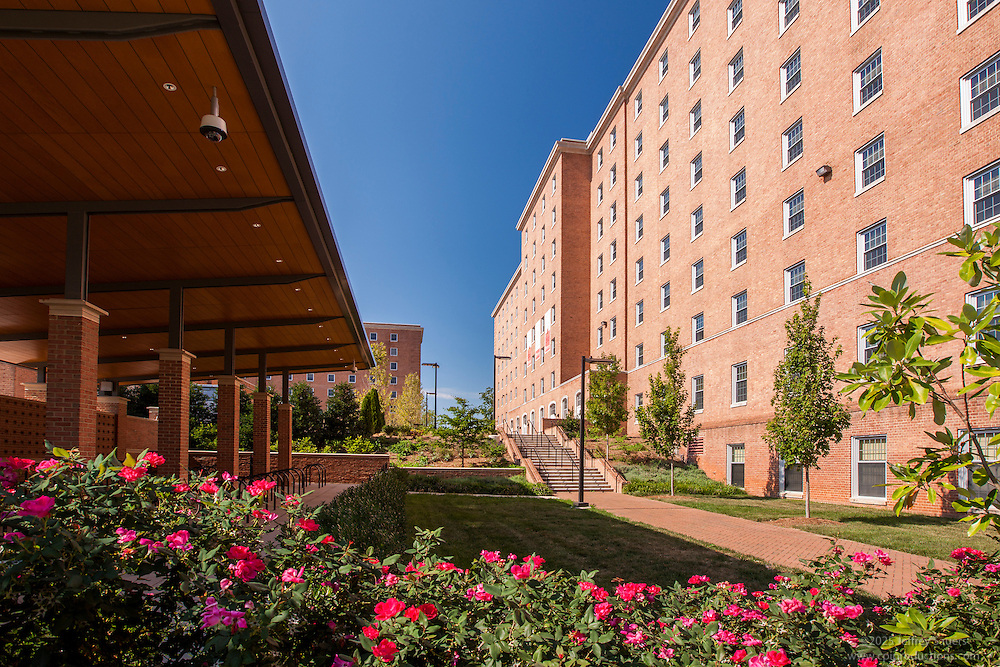
Heffron has been working on college and university campuses in the Washington, D.C. and Maryland region for nearly a century. The work spans dormitories, research laboratories, athletic facilities, libraries, administrative buildings, central utility plants, and campus-wide underground utility infrastructure. Some of these relationships have outlasted multiple generations of university leadership. A few have outlasted most of the buildings themselves.
What We Do
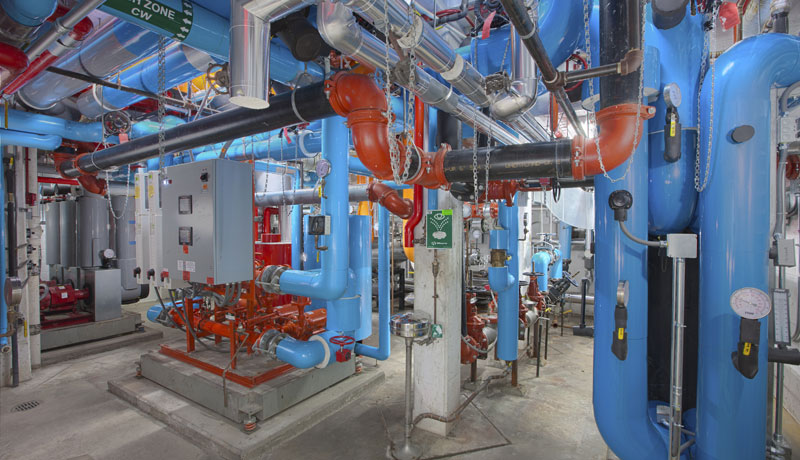
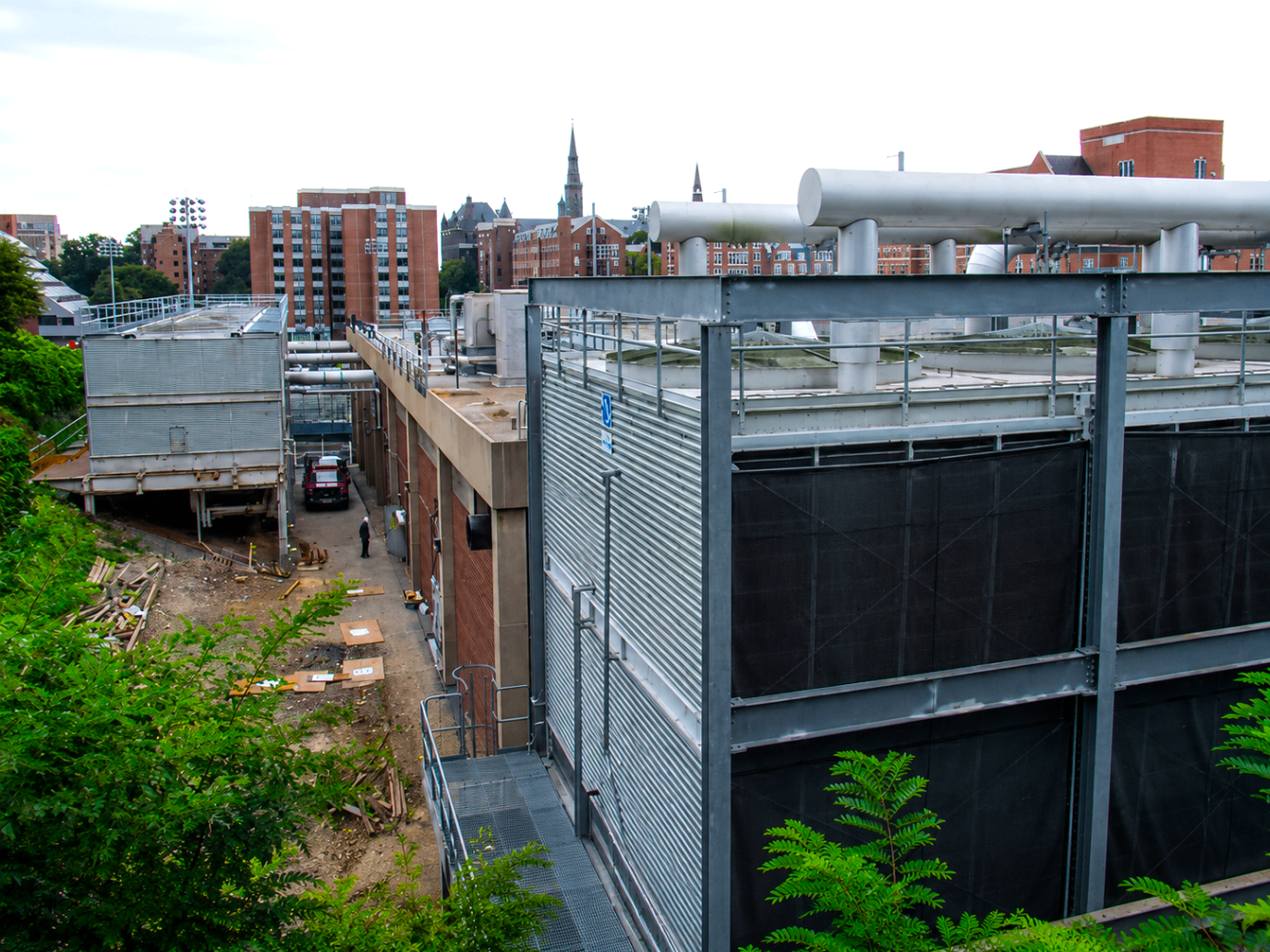
New and expanded plants that keep entire campuses running without interrupting classes or research.
High-pressure steam, chilled water, and condensate distribution routed through active campuses.
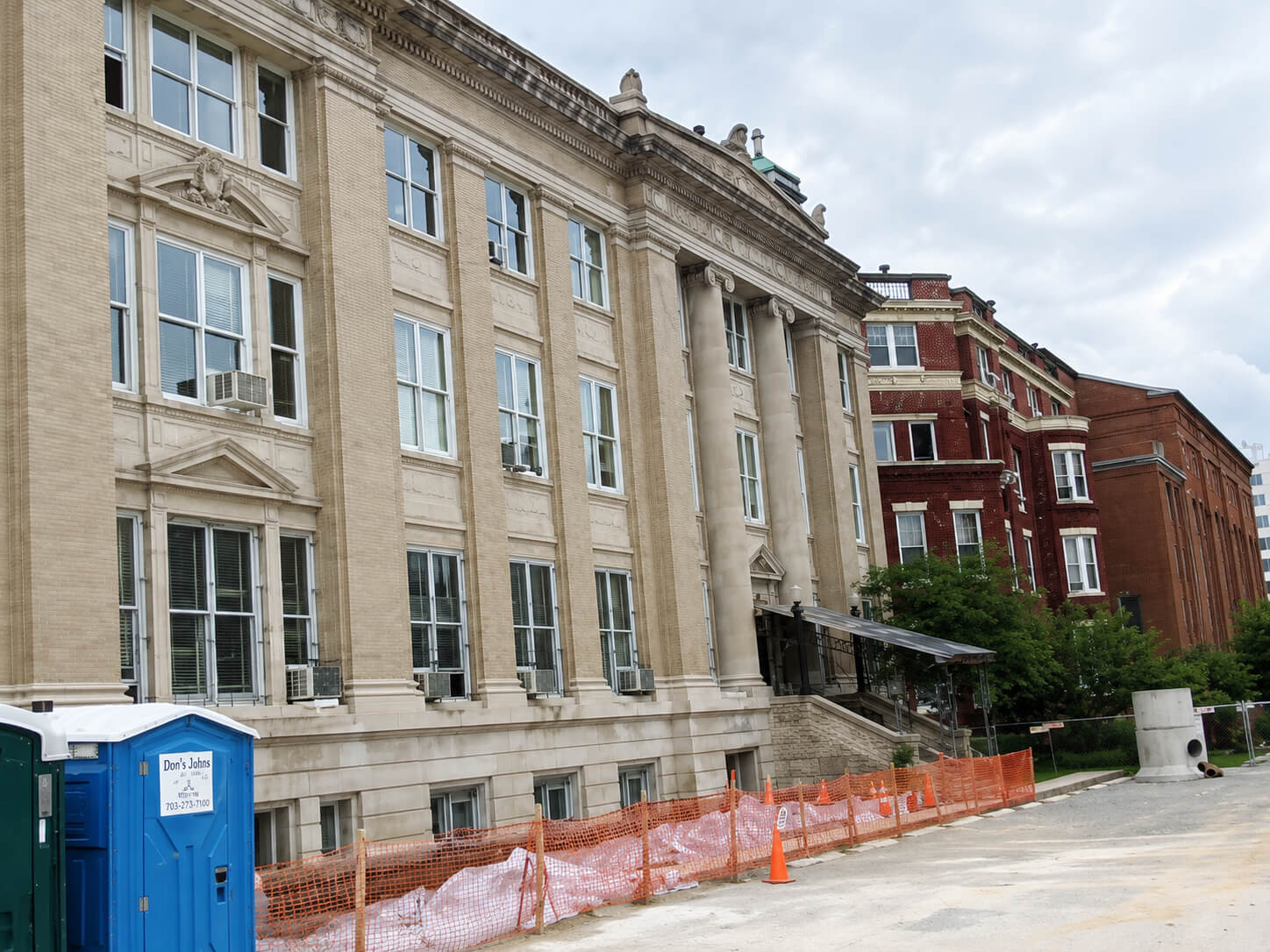
Upgrades and replacements completed while classes, labs, and events continue inside.
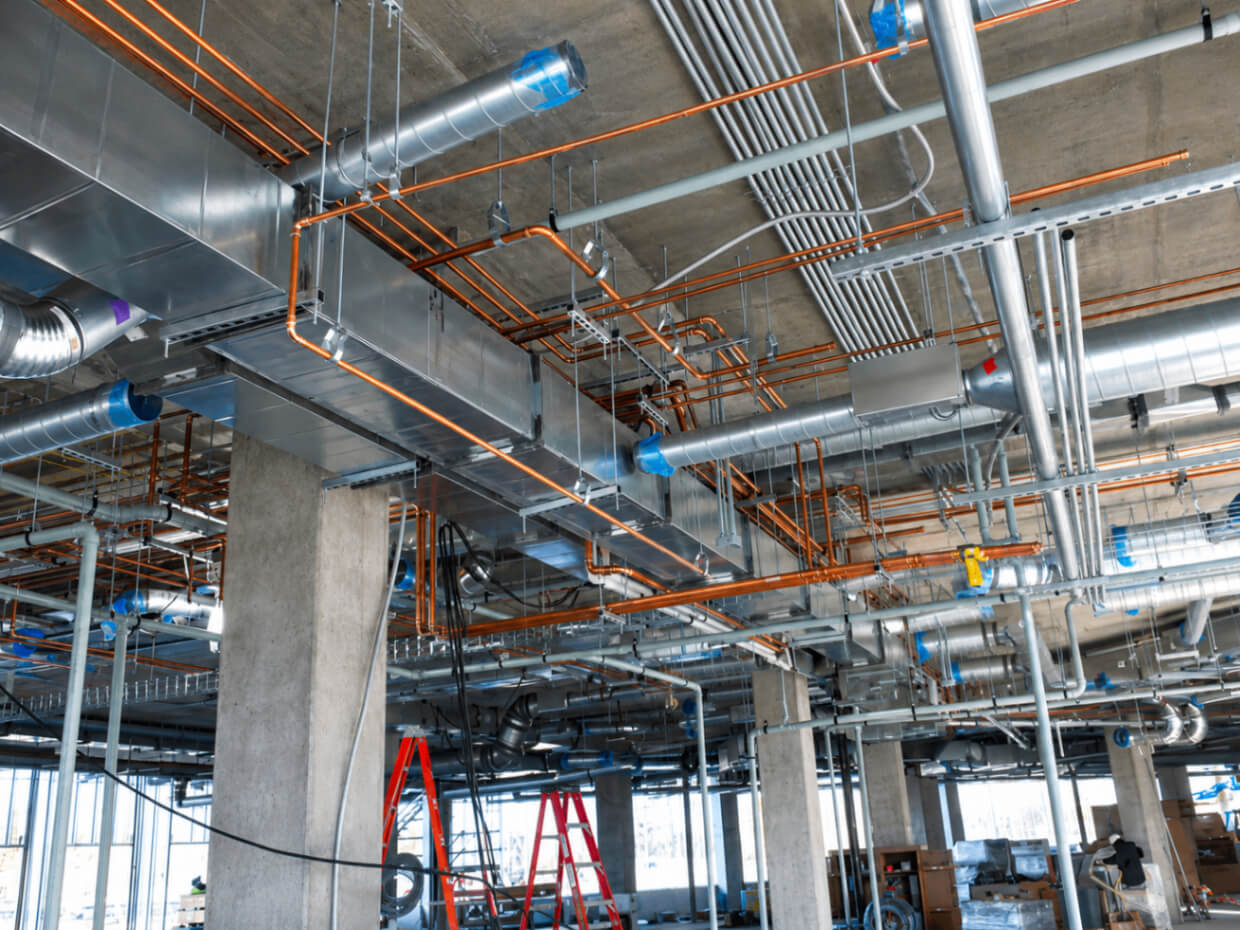
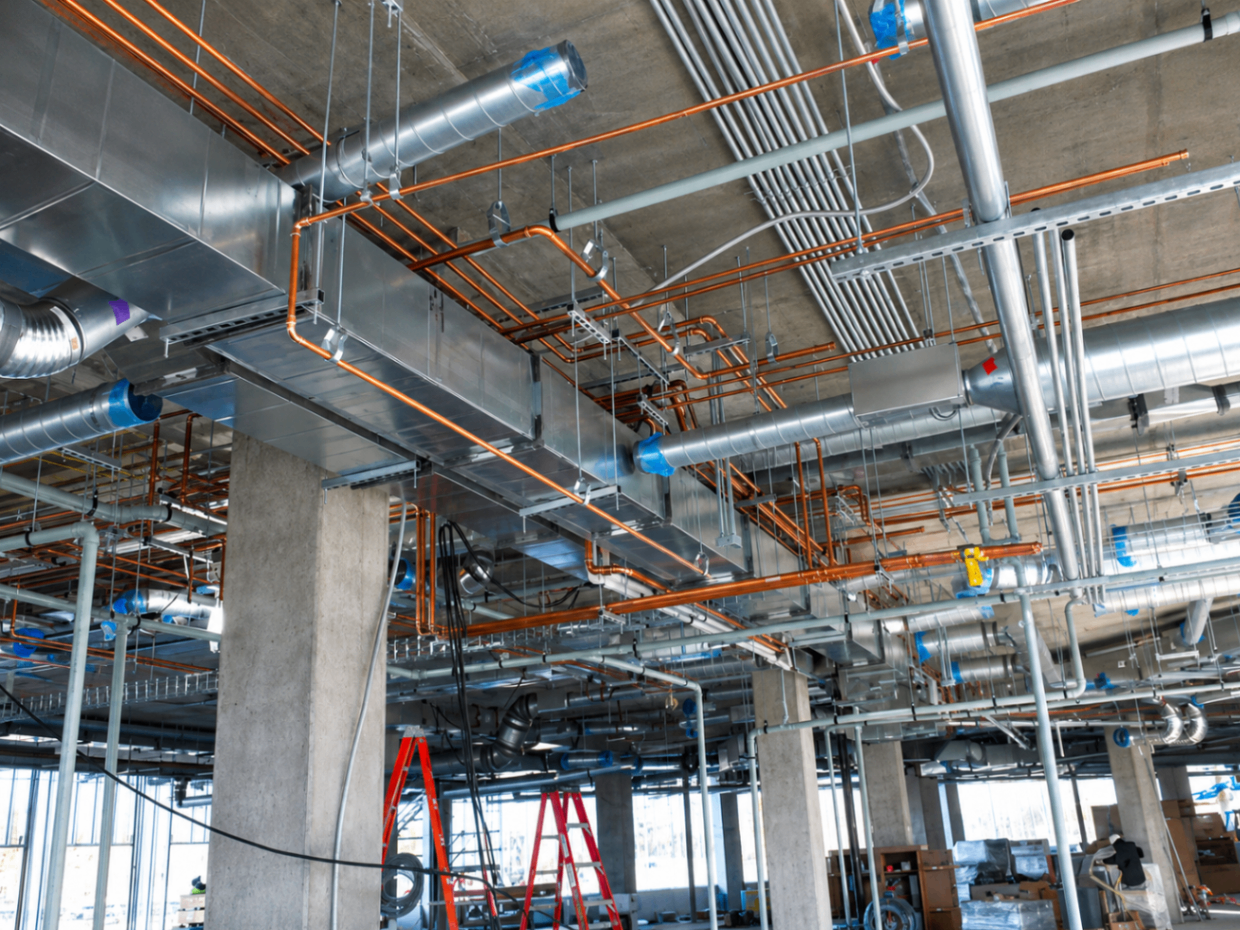
Precision ventilation, temperature control, and exhaust for sensitive research environments.
Central cooling systems sized for campus loads and built for long-term reliability.
Modernization projects that reduce operating cost and improve campus sustainability.
Student housing mechanical systems delivered on tight summer and semester schedules.
Single-source delivery for libraries, athletic facilities, and complex academic buildings.
24/7 response and planned maintenance that extends equipment life across the campus.
01 / Capability
02 / Capability
03 / Capability
04 / Capability
05 / Capability
06 / Capability
07 / Capability
08 / Capability
09 / Capability
How We Work
The range of work reflects the range of environments on a university campus — from precision-controlled research labs with requirements close to those of a regulated life sciences facility, to straightforward dormitory mechanical systems that simply need to work reliably for decades.
Academic campuses present a specific set of constraints. Buildings are occupied on unpredictable schedules. Research cannot be interrupted mid-experiment. Underground utility work runs beneath active pedestrian areas, roads, and existing infrastructure with no room for error. Shutdowns must be coordinated weeks in advance and executed in narrow windows.
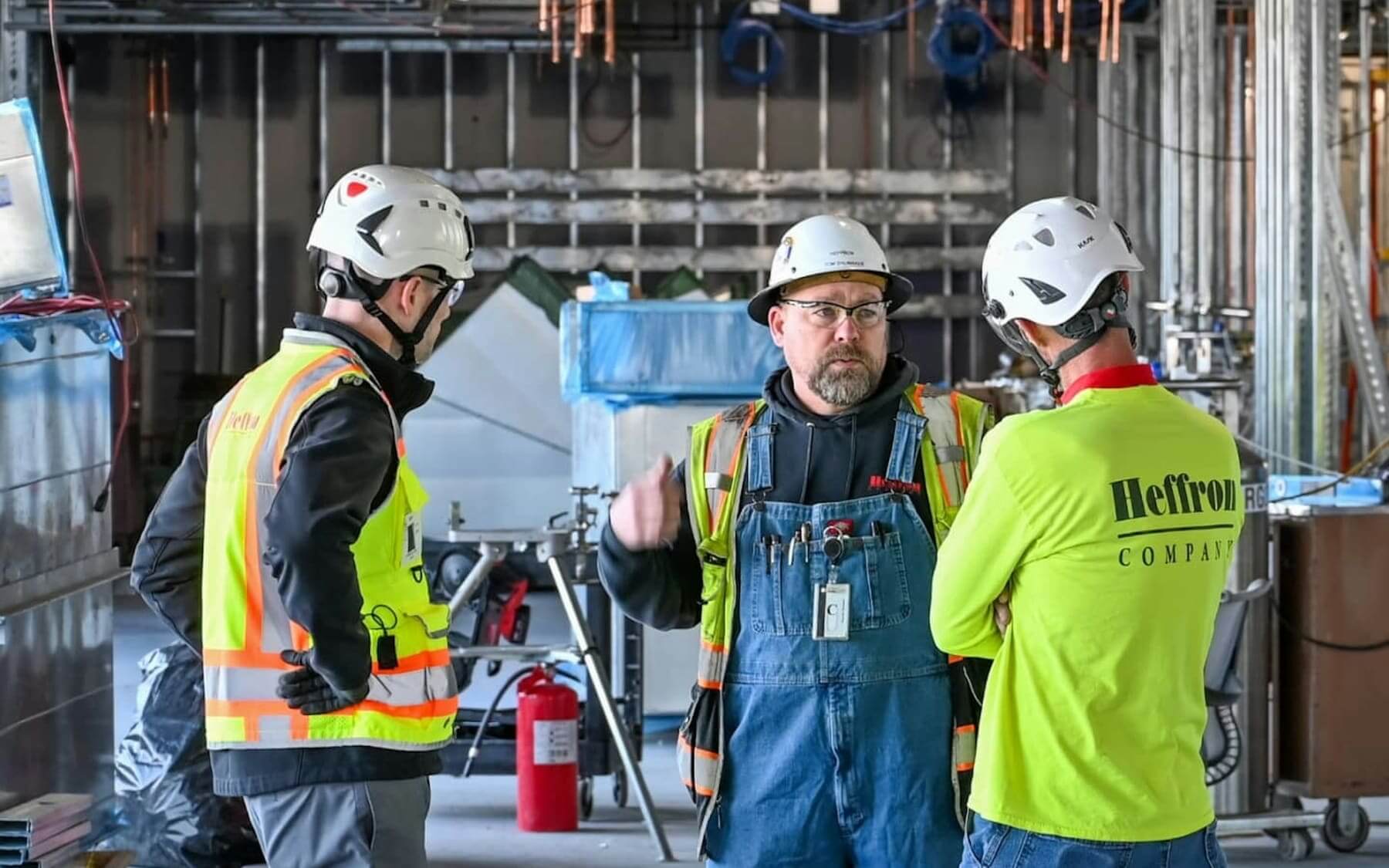
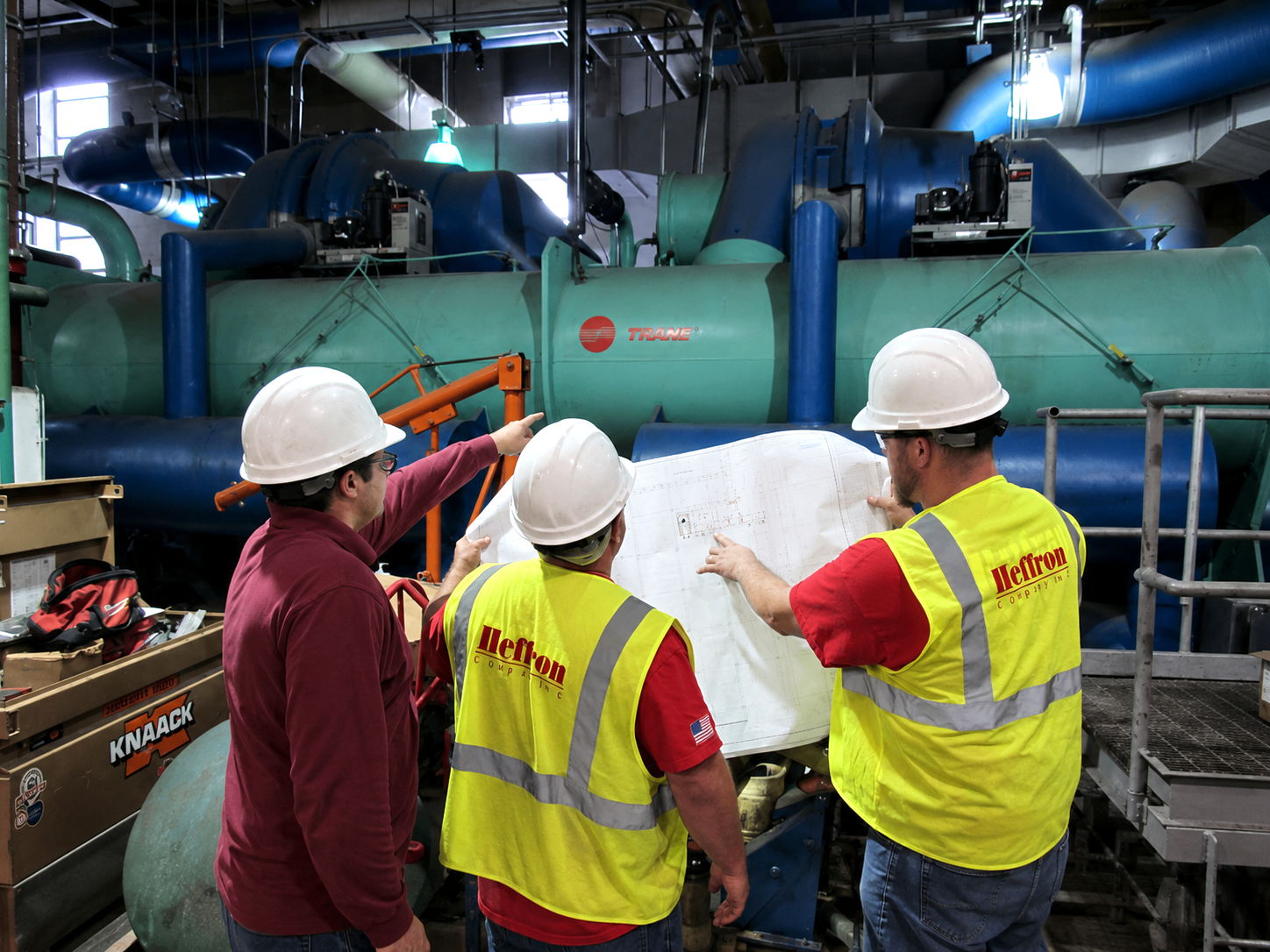
Heffron has developed the project management habits — and the institutional relationships — that make complex work on active campuses possible. Early preconstruction involvement is standard practice. Off-hours scheduling, phased shutdowns, and temporary systems are tools the team reaches for routinely, not reluctantly.
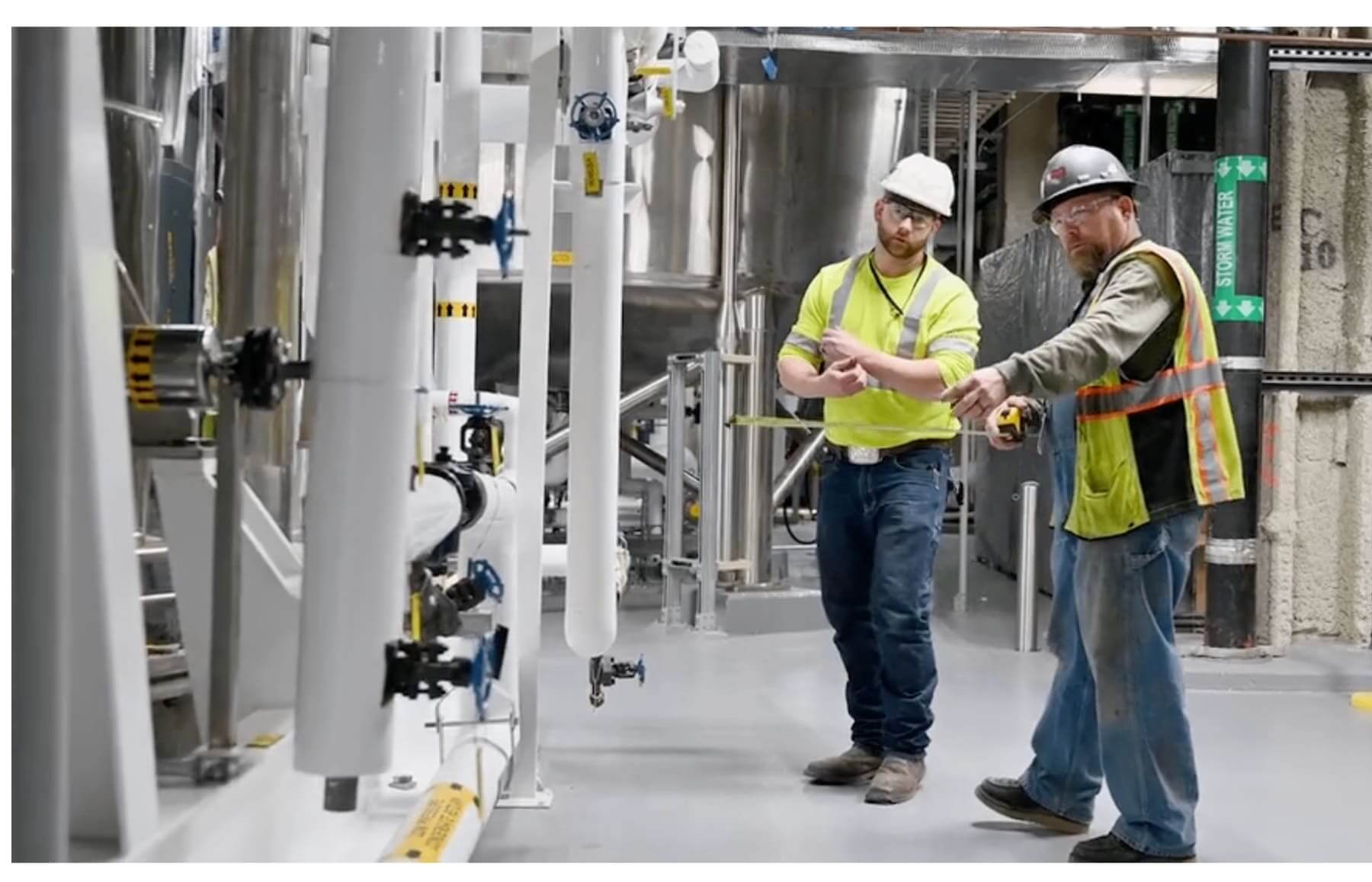
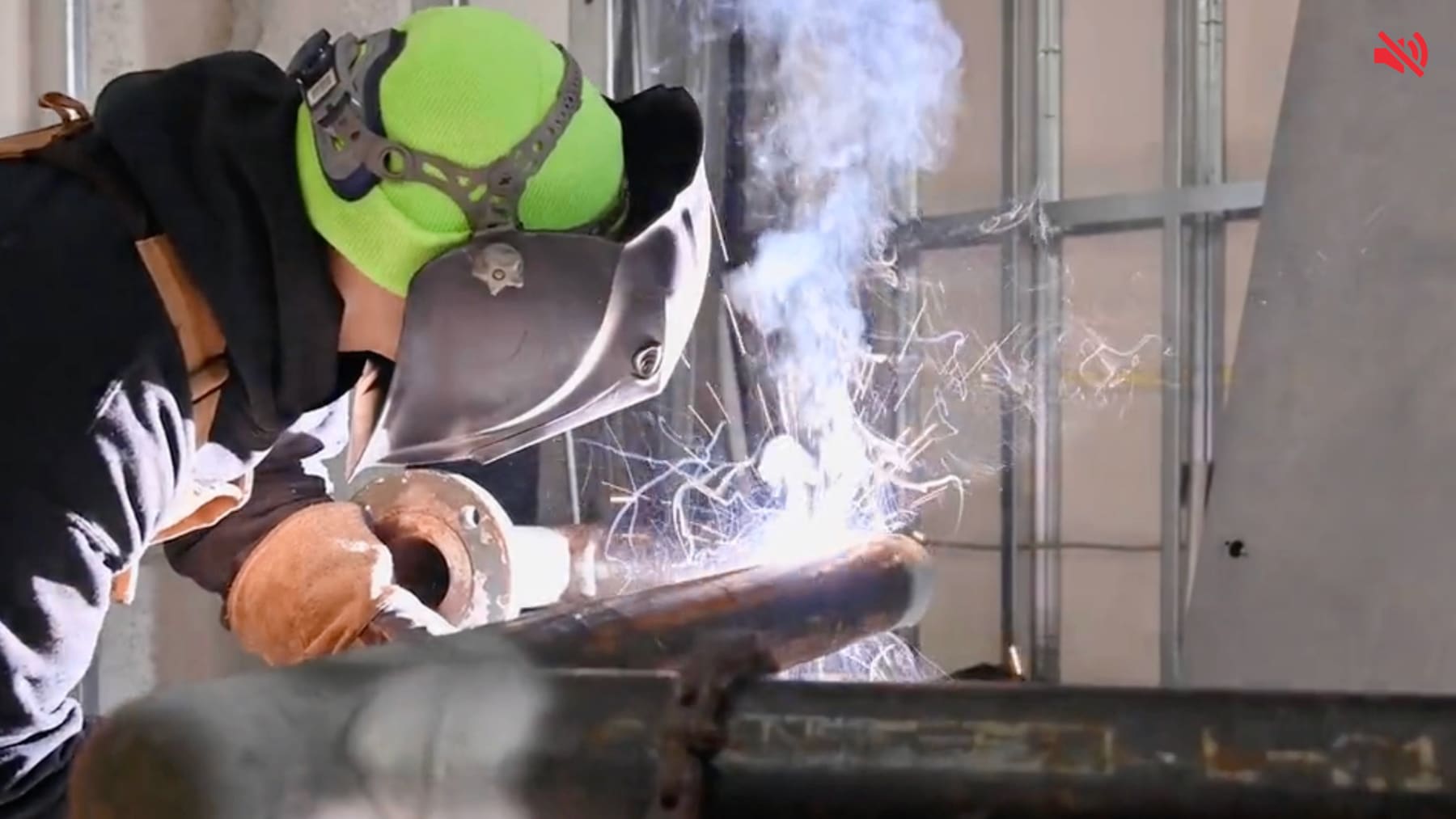
On large campus utility projects, the team has managed miles of underground piping beneath active construction zones, constructed temporary circulation loops to maintain service during tie-ins, and coordinated emergency valve repairs and system drain-downs as field conditions demanded — all without disrupting the campus around them.


Heffron’s relationship with Georgetown University spans nearly nine decades — one of the longest continuous client relationships in the firm’s history. Work on the main campus has touched nearly every building type the university operates, from the Observatory constructed in the 1930s to the McDonough School of Business completed in 1997.
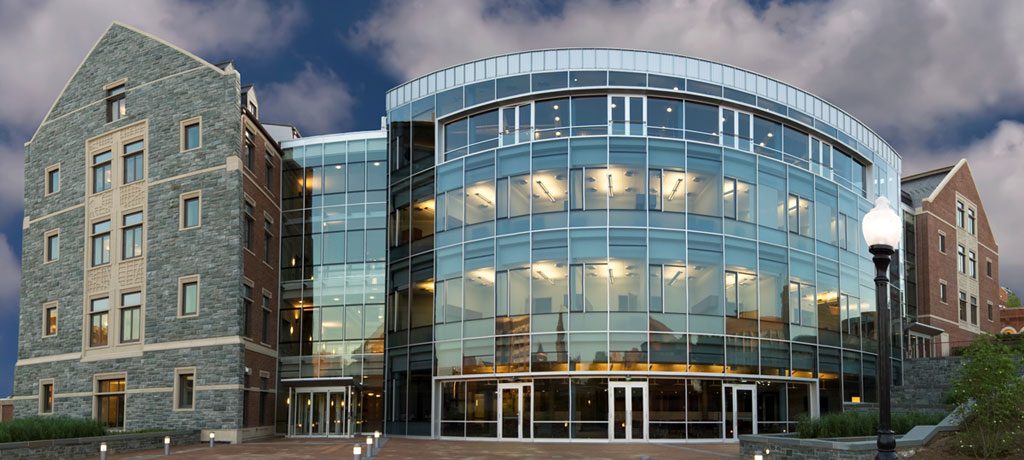
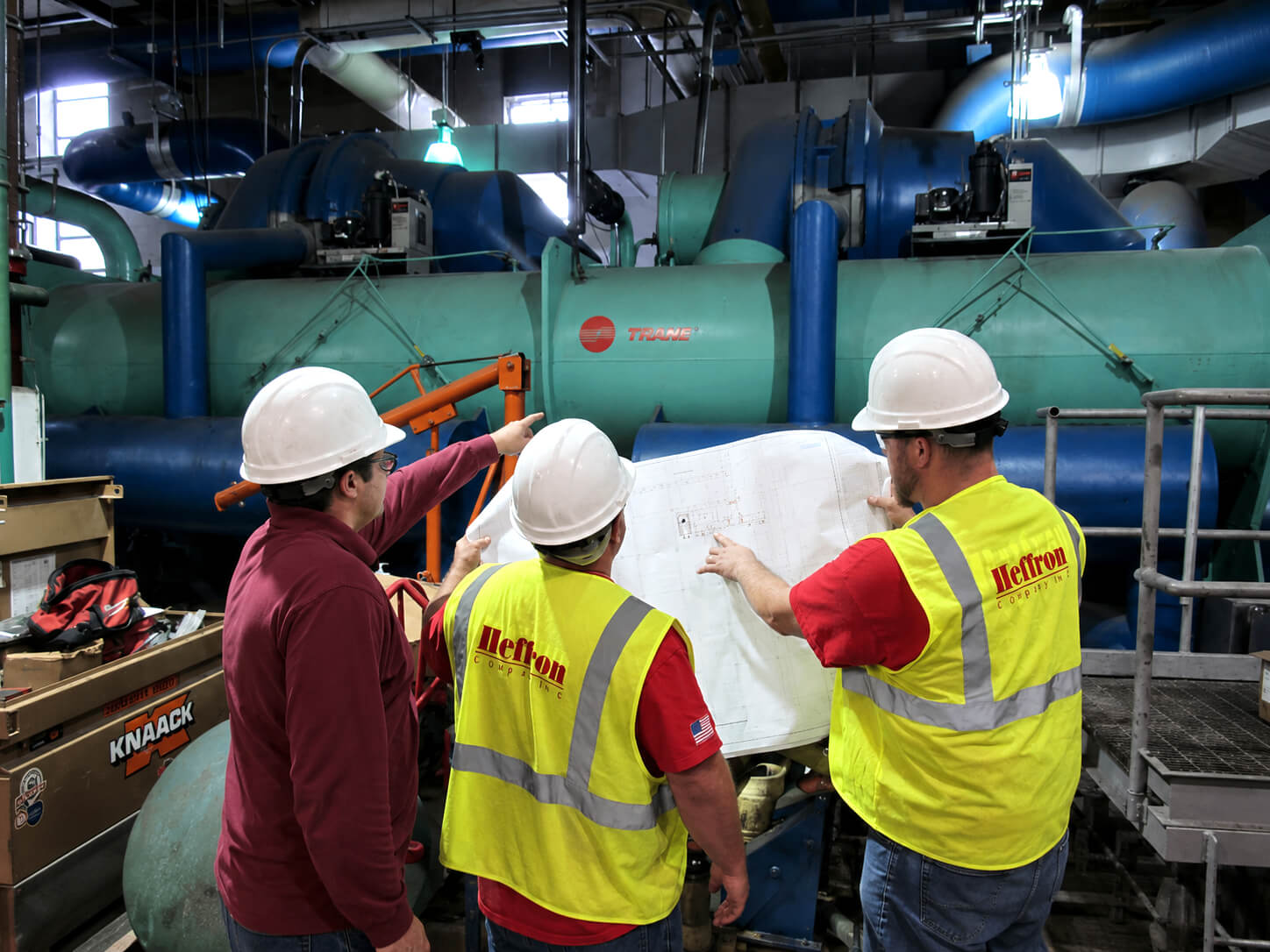
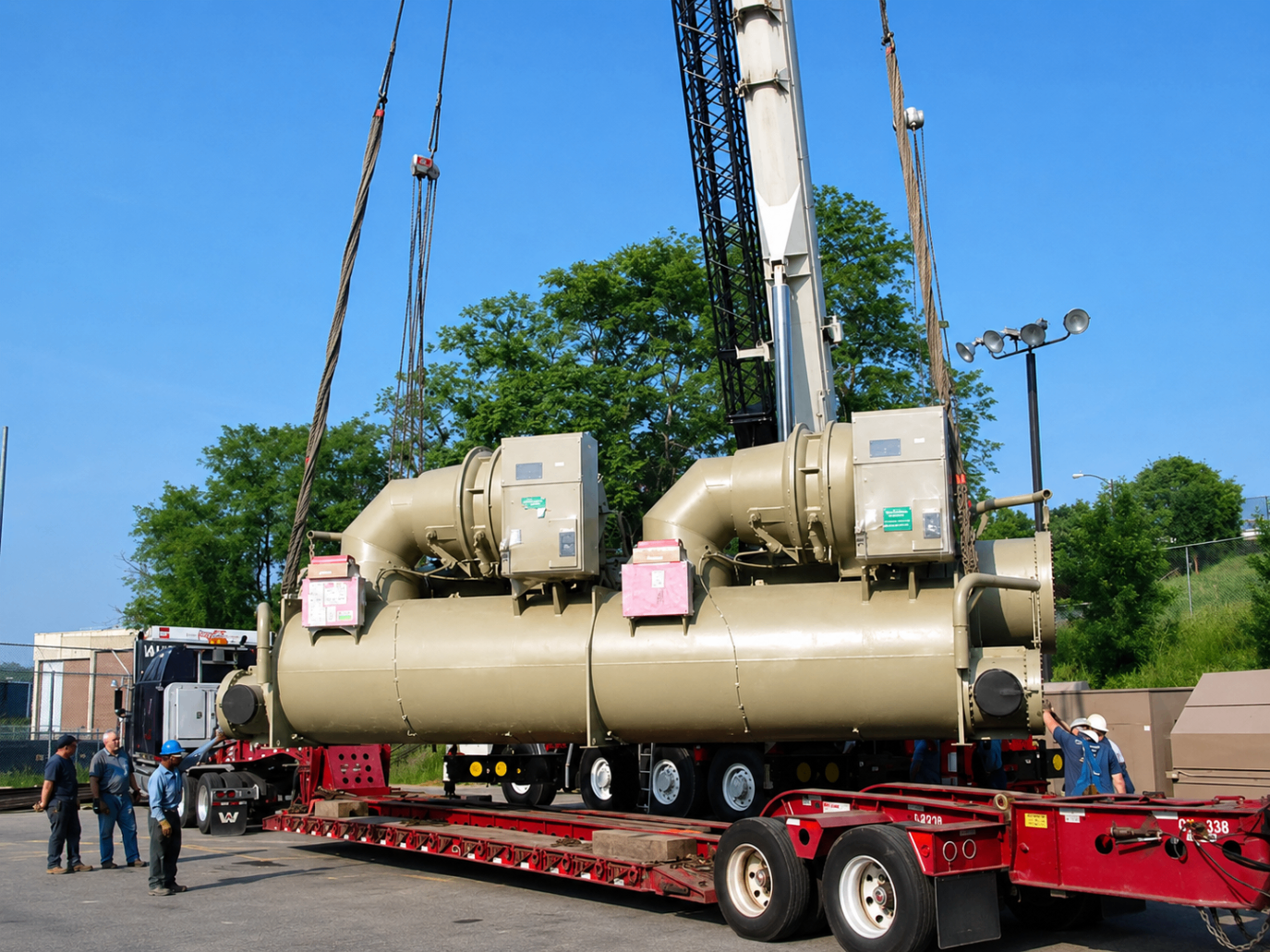
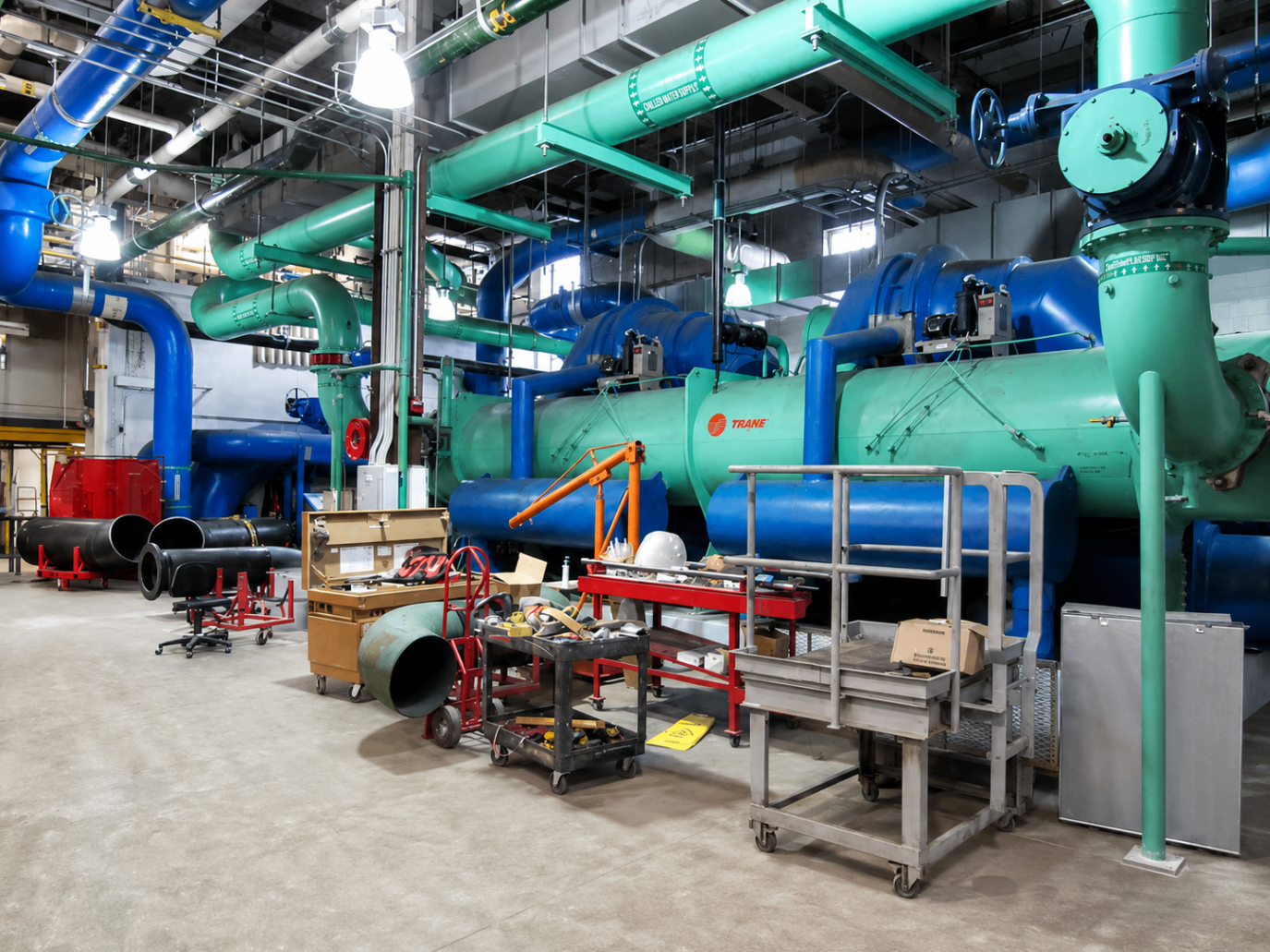
Featured projects include the central chiller plant expansion (three 3,000-ton chillers added under live campus operation, recognized with the 2004 Washington Building Congress Star Award for Complexity and Achievement), the LEED Silver Rafik B. Hariri Building at the McDonough School of Business (2010), and the LEED Gold Regents Hall science building (2012).
Additional completed work includes new dormitories, Lauinger Library, animal research facilities, White-Gravenor Hall, and Copley Hall. Heffron is currently supporting a university-wide energy efficiency initiative aimed at improving system performance and reducing operational costs across the campus.
To support a new surgical pavilion, Heffron installed miles of underground high-pressure steam, pumped condensate, and chilled water piping connecting the new building to the existing campus loop system. Pipe sections reached 24 inches in diameter at depths up to 17 feet. A temporary pipe loop, suspended above the active construction zone, maintained campus-wide circulation throughout.
The project ran concurrently with active hospital construction on a site with minimal staging space. Complex engineered shoring was required for underground work, off-hours shutdowns were coordinated to minimize service disruptions, and emergency valve repairs and full system drain-downs were managed as conditions required — without impacting building operations above.
When Gonzaga sought a way to improve indoor air quality and reduce airborne transmission risk during COVID-19, Heffron engineered, designed, and installed 73 bipolar ionization units across the entire campus. The units discharge charged ions into air supply ducts, causing airborne particles to cluster into larger aggregates that filters can capture more effectively. The installation treated approximately 200,000 CFM of supply air across a 200,000 square foot campus. The work enabled students to return to in-person instruction sooner.
Delivery Method: Design-Build · Location: 19 Eye Street NW, Washington, DC


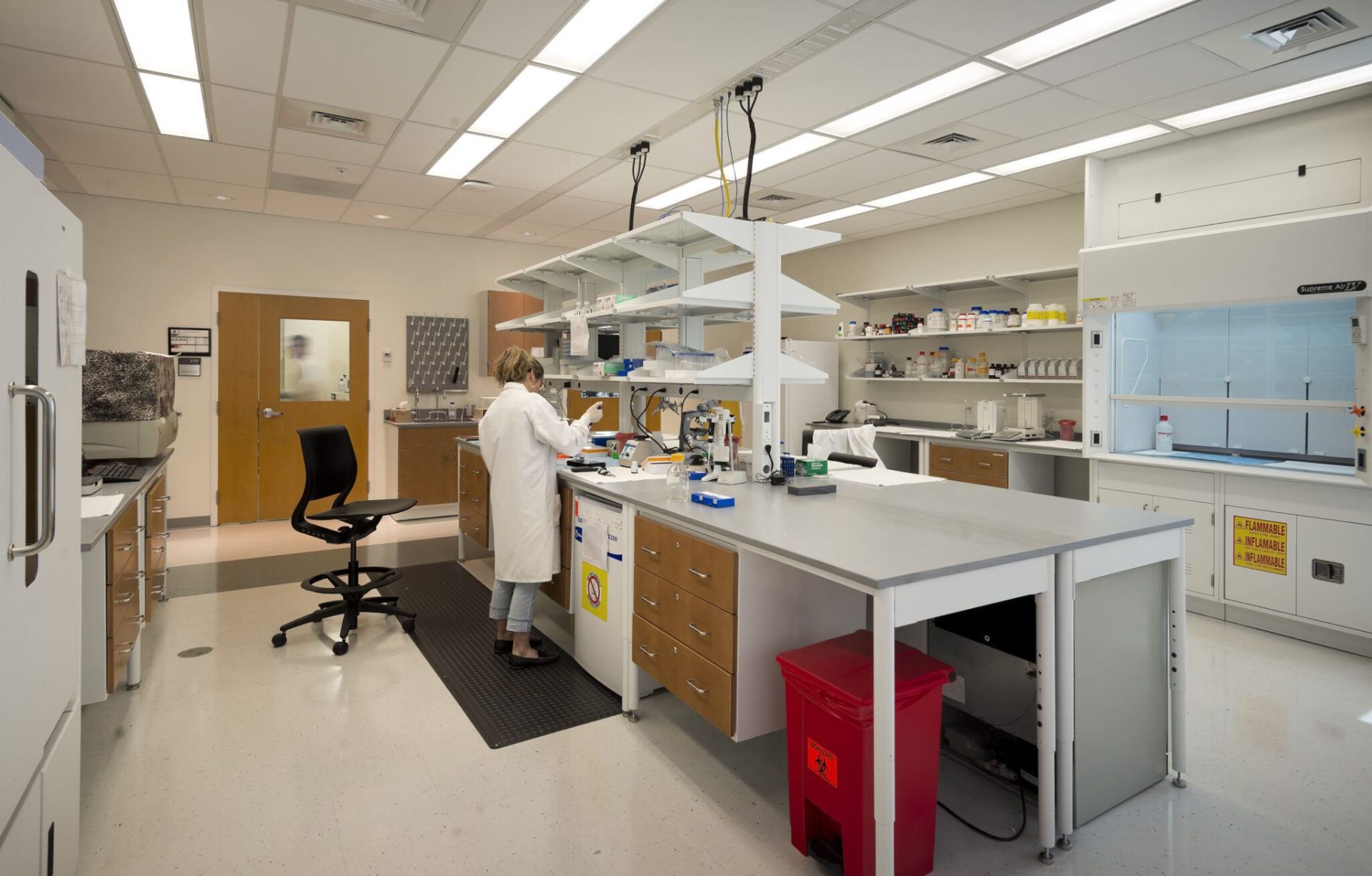
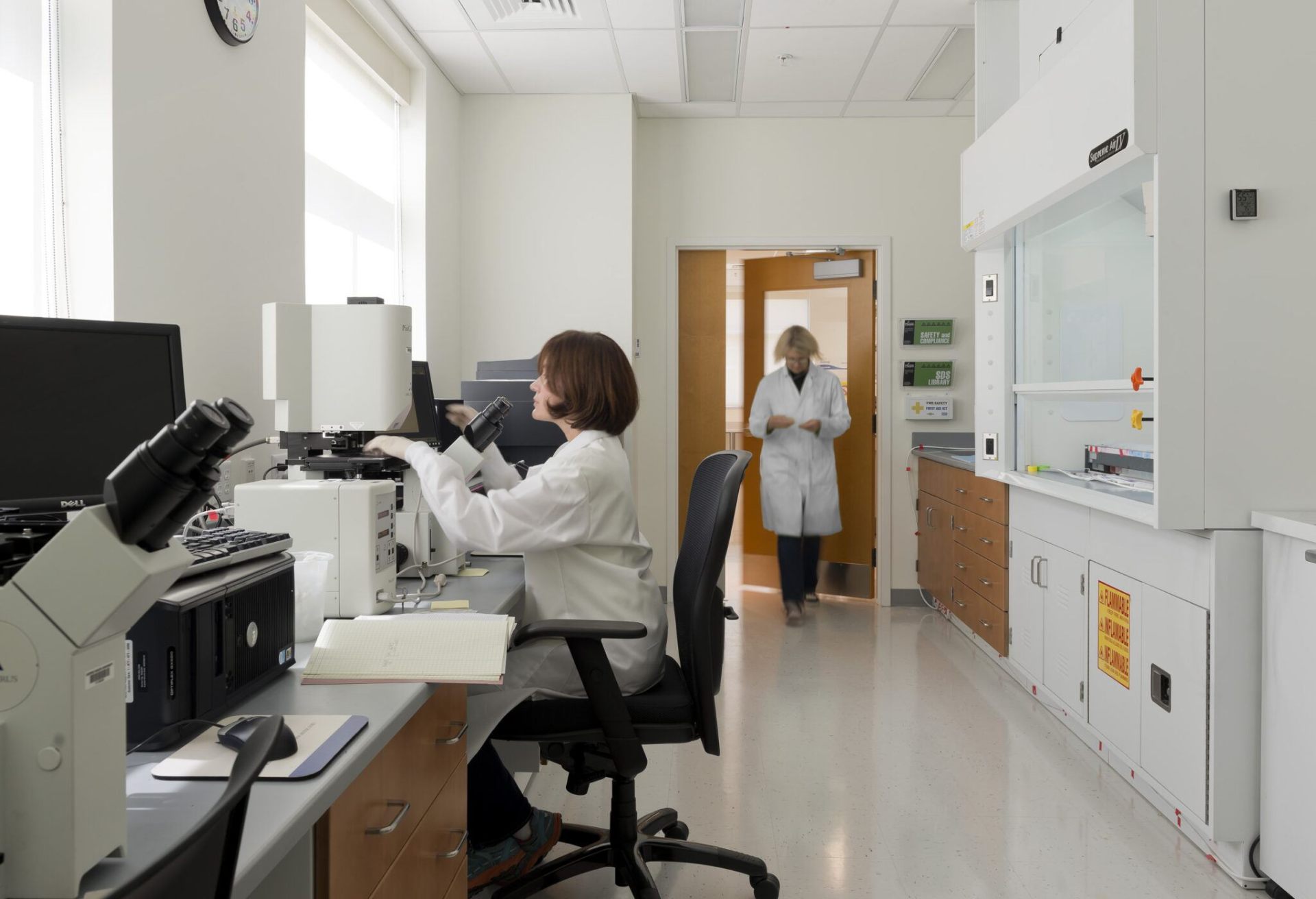
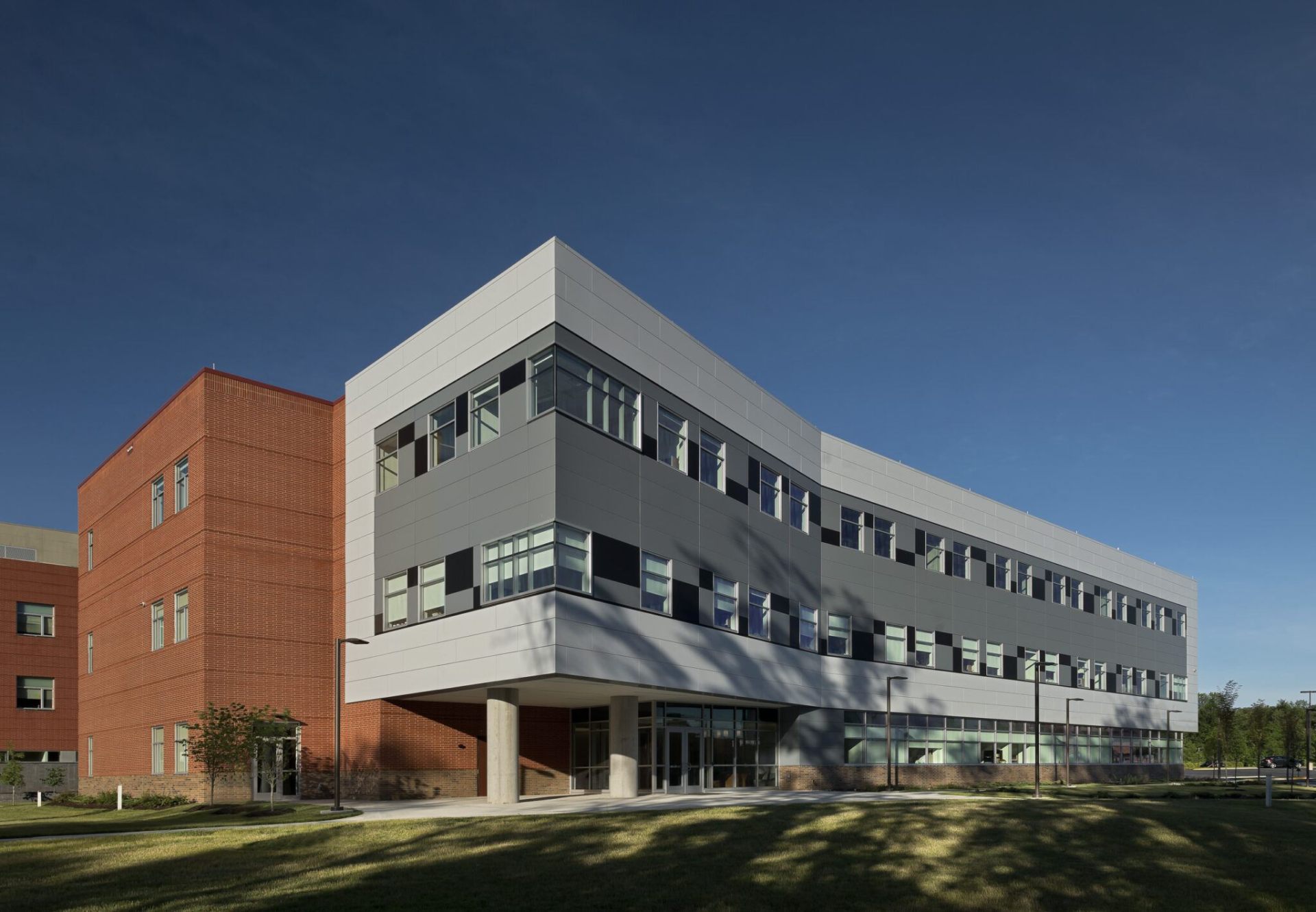
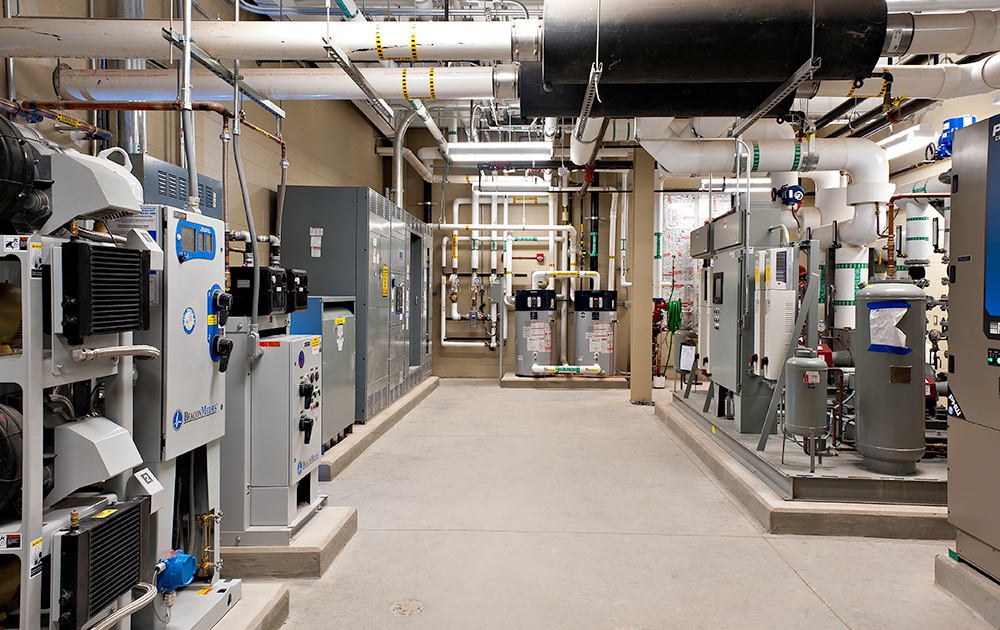
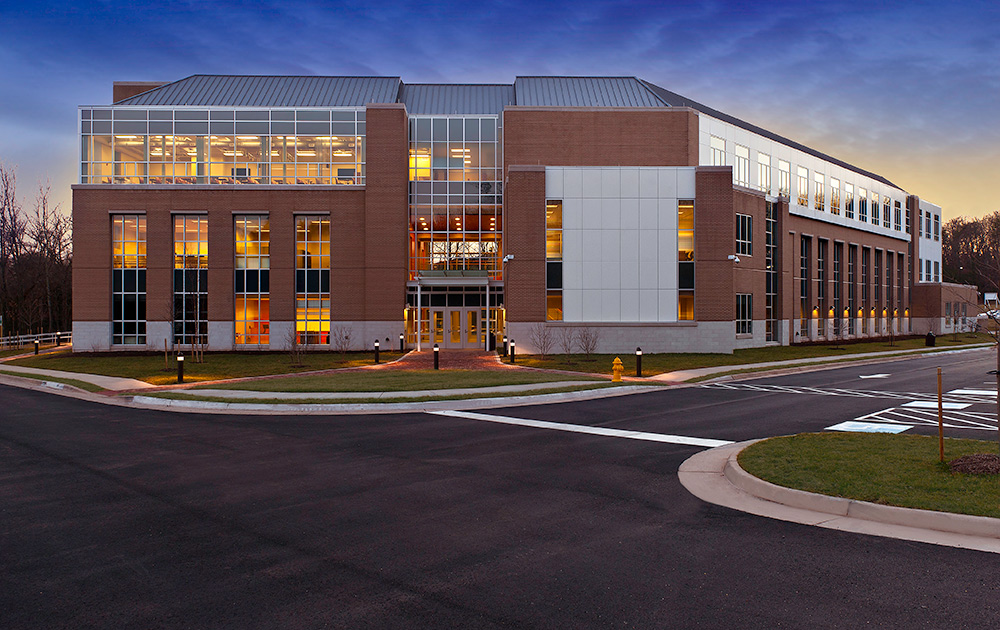
Working with Gilbane and Cannon Design, Heffron delivered the full design-build mechanical and plumbing scope for George Mason University’s new Life Sciences Center in Manassas — a 75,000-square-foot research building targeting LEED Silver certification. The work included a complete mechanical plant and laboratory systems, anchored by three new chillers, three rooftop units, and two boilers tied into laboratory-grade air, exhaust, and process distribution throughout the building.


Client Roster
Heffron has performed mechanical construction and service work for colleges, universities, and schools across the region, including:
Why Heffron
The nature of university construction is cumulative. A contractor who builds a chiller plant understands it better than anyone when the next expansion is needed. A team that has worked across a campus for decades knows where the utilities run, which buildings have constraints, and how the facilities team prefers to work. That knowledge has real value — it reduces risk, shortens learning curves, and produces better outcomes on every subsequent project.
Heffron’s longest university relationships are measured not in projects but in generations. That continuity is not a coincidence. It is the result of showing up, doing the work right, and being the kind of partner that institutions trust with their most important facilities over the long term.